

The idea of living in harmony with nature is at the heart of traditional healing systems, and Unani medicine stands as one of the most profound examples of this philosophy. Rooted in ancient wisdom and guided by natural laws, it emphasizes balance between the body, mind, and environment. This holistic discipline believes that every individual has a unique temperament, and maintaining equilibrium among the body’s four humors is essential for good health. To truly appreciate this ancient science, it’s important to understand how does Unani medicine work, and how it continues to stay relevant in our fast-paced, modern world. Through its principles, Unani guides us toward sustainable wellness, harmony, and a deeper connection to nature’s rhythm.
The Foundation of Unani: Nature’s Blueprint for Health
The Unani system is built upon the belief that health depends on the balance of four bodily humors — blood, phlegm, yellow bile, and black bile. When these are in equilibrium, the body functions smoothly; when disturbed, illness arises. This concept defines Unani medicine is based on the principle that balance equals health. The humors correspond to the four elements — air, water, fire, and earth — symbolizing both physical and spiritual aspects of life.
The philosophy traces back to Hippocrates and Galen, whose ideas were refined by Islamic scholars like Avicenna. Understanding who is the founder of Unani medicine helps us appreciate how it merged Greek, Arab, and South Asian thought into one cohesive healing tradition. Today, Unani serves as a living example of how ancient knowledge can align seamlessly with the needs of modern natural health seekers.
Origins and Evolution of the Unani Tradition
Every healing system has a journey, and the Unani path stretches across continents and centuries. Its origins date back to Greece, which explains Unani medicine is from which country, and later found its way to the Arab world, where scholars enriched it with deeper observations on anatomy and pathology.
The expansion continued into South Asia, where who introduced Unani medicine in India becomes an important historical marker. It was the early Islamic rulers and scholars during the Delhi Sultanate and Mughal periods who brought Unani practices to the Indian subcontinent, integrating them with local herbal traditions. Over time, practitioners developed a sophisticated blend of observation, diagnosis, and personalized treatment — a foundation that still guides the system today.
The contributions of early physicians also shed light on who invented Unani medicine, often attributed to Hippocrates, who formulated the basic theory of humors. However, it was Avicenna (Ibn Sina), with his monumental work The Canon of Medicine, who solidified Unani’s structure. These roots continue to shape how Unani is practiced and taught around the world.
The Science of Healing: What Defines Unani Medicine
Understanding what is Unani medicine and Surgery requires recognizing them as a complete system encompassing both internal healing and external procedures. It not only treats diseases but also restores balance through preventive care. In classical practice, Unani physicians used regimental therapies such as massage, cupping, and leeching — collectively known as Ilaj-bit-Tadbeer. These techniques demonstrate the integrated approach that gives Unani its unique identity.
The term Unani medicine and surgery meaning highlights that the system goes beyond herbal remedies — it also involves surgical interventions that were practiced long before modern medical equipment existed. These early techniques, guided by natural logic and empirical evidence, reveal how adaptable and advanced the system truly was.
Essence of Remedies: What Makes Unani Medicines Unique
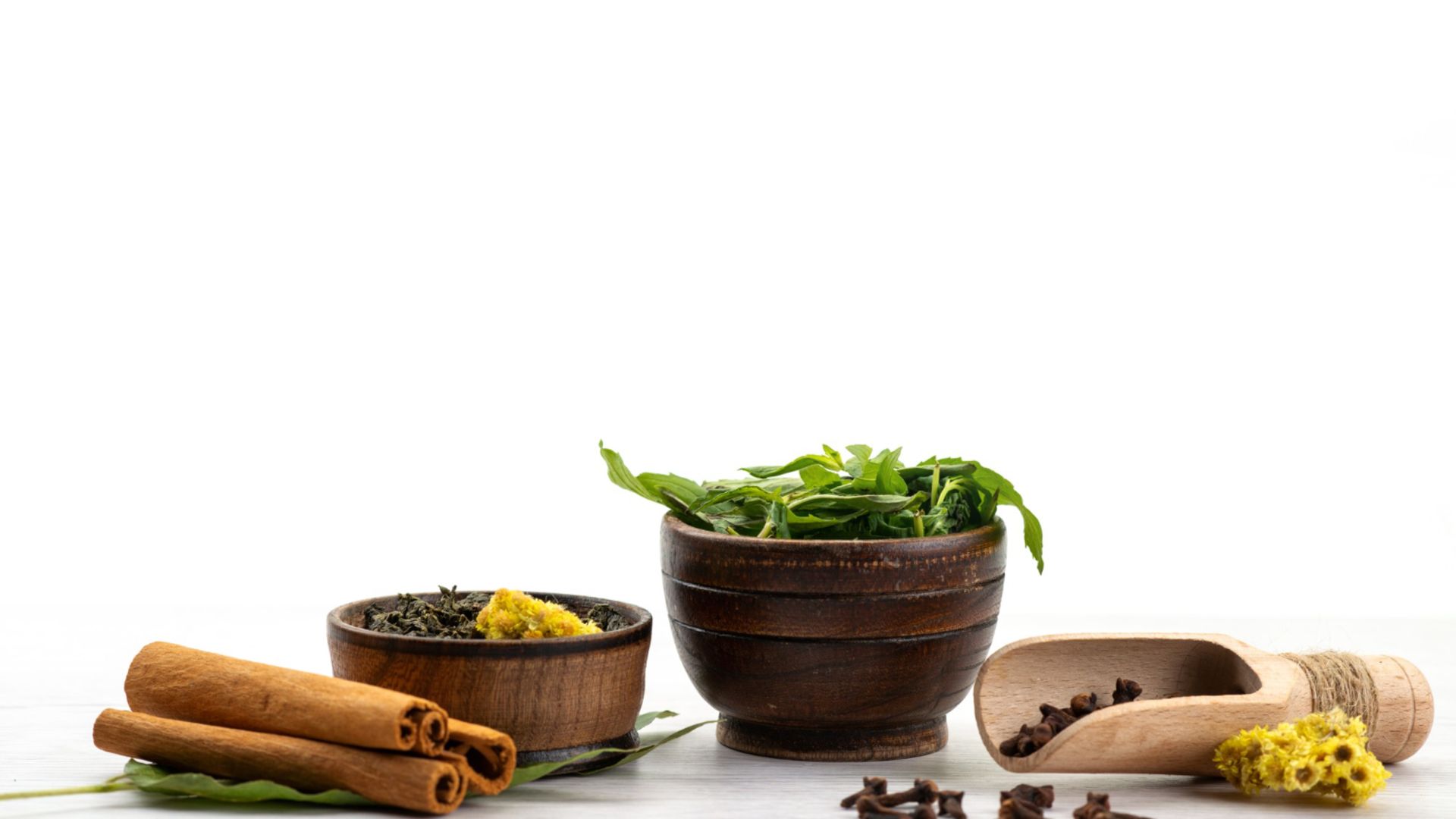
At the core of every treatment lies the question — what is Unani medicine made of? The answer lies in nature’s pharmacy. Unani preparations are derived mainly from plants, but minerals and animal products are also used when necessary. These substances are carefully purified, blended, and balanced according to temperament and ailment.
Knowing how to make Unani medicine involves understanding both traditional formulation and modern standardization. Practitioners follow classical texts, using time-tested proportions and methods that preserve potency. The balance of ingredients ensures minimal toxicity and maximal healing effect.
When selecting treatments, practitioners always consider which Unani medicine is most suited for an individual’s temperament, environment, and lifestyle — a level of personalization that modern healthcare often overlooks.
Applications: Healing the Body and Mind
Many people today wonder what is Unani medicine best for, and the answer is broad. Unani medicine effectively treats digestive disorders, skin conditions, respiratory problems, and chronic fatigue, but it is equally valued for mental wellness and rejuvenation. It promotes preventive care, focusing on lifestyle correction through diet, exercise, and rest — aligning with the natural circadian rhythm.
For those exploring careers in natural healing, understanding what is Unani medicine course offers is essential. These courses combine classical philosophy, diagnosis, pharmacology, and hands-on therapeutic methods. Students study ancient texts, often referred to as Unani medicine book, which provide comprehensive insight into pathology and herbal combinations.
The growing digital era has also introduced tools like Unani medicine app platforms, helping students, practitioners, and patients access information, formulations, and even remote consultations — making this ancient science more accessible than ever before.

Trust and Evidence: Understanding Quality and Safety
In today’s evidence-driven world, a common question arises — Unani medicine is good or bad? The answer depends on authenticity and correct usage. When practiced by qualified physicians and sourced from reliable brands, Unani medicine is highly beneficial and safe. However, improper self-medication or non-standardized products can cause side effects. Hence, consulting experts is always essential.
For those concerned about Unani medicine side effects, traditional formulations are typically gentle because they use natural substances in balanced proportions. Detoxification steps during preparation eliminate harmful residues, ensuring safety for long-term use.
The growing popularity of herbal and holistic therapies has also led to the emergence of several Unani medicine brands that prioritize purity, sustainability, and clinical testing. Many of these brands also allow users to buy Unani medicine online, offering convenience while maintaining traditional authenticity.
Unani in Modern Context: Bridging Tradition and Technology
As the world moves toward integrative healthcare, ancient systems like Unani are gaining renewed attention. Scientific research, publications, and Unani medicine articles in journals highlight its therapeutic benefits for chronic illnesses, immunity, and detoxification. These studies bridge traditional knowledge with modern biomedical understanding.
Moreover, collaborations between researchers and practitioners are transforming Unani into a structured system compatible with global standards. The advancement of education, digital tools, and authentic sourcing ensures that future generations can access safe and effective remedies without compromising the system’s original essence.
Even with technological evolution, Unani continues to uphold its guiding principle — the restoration of balance. This is the true secret of its longevity and continued relevance in promoting natural well-being.

Rediscovering the Roots: The Human Connection
The Unani way teaches us to observe, adapt, and live consciously. It reminds us that health is not merely the absence of disease but a continuous process of aligning body, mind, and nature. This understanding gives insight into who Unani medicine serves — everyone who seeks harmony and preventive care rather than temporary relief.
Unani encourages individuals to understand their temperament (Mizaj), adjust their diet accordingly, and stay in tune with natural cycles. It fosters self-awareness, gratitude, and respect for the body as a reflection of the greater cosmos. In a world dominated by synthetic cures, this approach offers a refreshing return to simplicity and mindfulness.
Conclusion
In conclusion, Unani medicine offers more than treatments — it offers a way of life centered on natural balance, moderation, and awareness. It teaches us that true wellness cannot be achieved through isolated remedies but through harmony within and around us. Its ancient insights remain remarkably relevant, guiding us toward sustainable health and mindful living. For those seeking deeper understanding, exploring Unani medicine book collections, authentic courses, and verified online sources can open pathways to lifelong learning. Above all, understanding how does Unani medicine work reminds us that the body, nature, and spirit are interwoven — and only through balance among them can we find true, enduring health.

